
Art Deco

Art Deco
Art Deco is a design style that emerged in the 1920s and flourished in the 1930s and 1940s. It was a celebration of the machine age and a departure from traditional styles, emphasizing elegance and opulence. Characterized by its bold geometric shapes, rich colors, and luxurious materials, Art Deco reflects a sense of modernity and glamour.
Configuration Ideas for Art Deco Doors

Door Style TS3080
Material MDF
Sticking Bolection Moulding
Glass / Resin White Lami Glass

Door Style TS5080
Material MDF
Sticking Bevel (BV) Sticking
Glass / Resin Seedy Wash

Door Style AD1100
Material MDF
Glass / Resin White Lami Glass

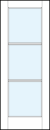
Door Style FL300
Material MDF
Sticking Quarter Round Sticking
Glass / Resin Groove Glass

Door Style TMB1040
Material MDF
Sticking Quarter Round Sticking

Door Style TMB1050
Material MDF
Sticking Bevel Sticking
Panel Bevel Tambour Profile

Door Style TMB6110
Material MDF
Sticking Quarter Round Sticking

Door Style TS3140
Material MDF
Sticking Bolection Moulding
Panel Flat Panel

Door Style TS3230
Material MDF
Sticking Quarter Round Sticking
Panel Flat Panel

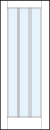
Door Style FL301
Material MDF
Sticking Bevel Sticking
Glass / Resin Groove Glass
Door Style TS3080
Material MDF
Sticking Bolection Moulding
Glass / Resin White Lami Glass
Door Style TS5080
Material MDF
Sticking Bevel (BV) Sticking
Glass / Resin Seedy Wash
Door Style AD1100
Material MDF
Glass / Resin White Lami Glass
Door Style FL300
Material MDF
Sticking Quarter Round Sticking
Glass / Resin Groove Glass
Door Style TMB1040
Material MDF
Sticking Quarter Round Sticking
Door Style TMB1050
Material MDF
Sticking Bevel Sticking
Panel Bevel Tambour Profile
Door Style TMB6110
Material MDF
Sticking Quarter Round Sticking
Door Style TS3140
Material MDF
Sticking Bolection Moulding
Panel Flat Panel
Door Style TS3230
Material MDF
Sticking Quarter Round Sticking
Panel Flat Panel
Door Style FL301
Material MDF
Sticking Bevel Sticking
Glass / Resin Groove Glass
Suggested Art Deco Door Styles
-
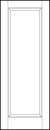 TS1000
-
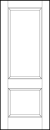 TS2060
-
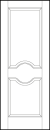 TS2160
-
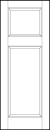 TS2200
-
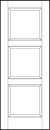 TS3000
-
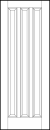 TS3010
-
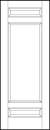 TS3080
-
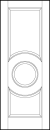 TS3140
-
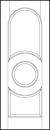 TS3230
-
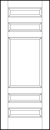 TS5080
-
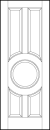 TS5100
-
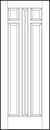 TS5120
-
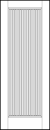 TMB1000
-
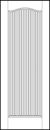 TMB1010
-
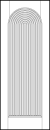 TMB1030
-
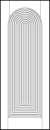 TMB1040
-
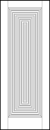 TMB1050
-
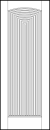 TMB1070
-
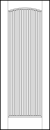 TMB1080
-
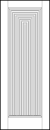 TMB1090
-
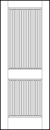 TMB2000
-
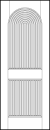 TMB2010
-
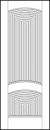 TMB2030
-
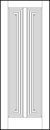 TMB2050
-
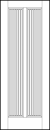 TMB2080
-
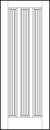 TMB3000
-
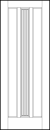 TMB3010
-
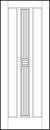 TMB3020
-
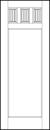 TMB4250
-
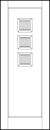 TMB4300
-
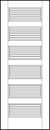 TMB6110
-
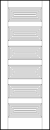 TMB6120
-
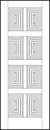 TMB8000
-
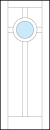 AD1000
-
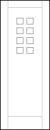 AD1010
-
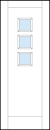 AD1020
-
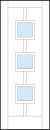 AD1030
-
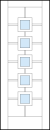 AD1050
-
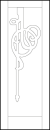 AD1060
-
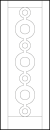 AD1070
-
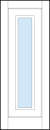 AD1100
-
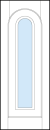 AD1110
-
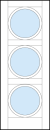 AD3030
-
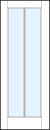 FL200
FL200
-
 FL300
FL300
-
 FL301
FL301