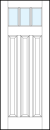
Craftsman

Craftsman
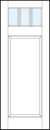
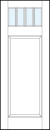
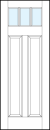
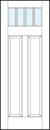
The American Craftsman style emerged from the English Arts & Crafts movement of the late 1800s and was a reaction to the overly decorative Victorian era. The style emphasizes simplicity of form, originality and local natural materials. Simplicity and quality workmanship define the TruStile Craftsman door collection.
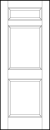
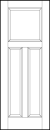
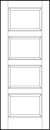
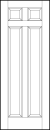
Configuration Ideas for Craftsman Doors

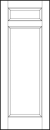
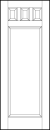
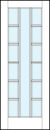
Door Style TS3300
Material MDF
Sticking Square Stick (SS) sticking
Panel Flat (C) panel

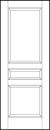
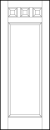
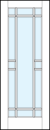
Door Style TS4230
Material MDF
Sticking Square Sticking
Panel Flat Panel

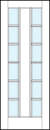
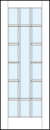
Door Style FL500
Material Cherry
Finish Clear Coat Finish
Sticking Square Sticking
Glass / Resin Clear Glass

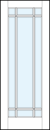
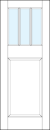
Door Style FL302
Material MDF
Sticking Square Stick (SS) sticking
Panel Flat (C) panel
Glass / Resin Clear Glass

Door Style PL143
Material Cherry
Finish Hone
Sticking Bevel (BV) sticking
Panel Raised (A) panel
Glass / Resin Seedy Wash glass

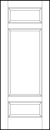
Door Style TS2240
Material MDF
Profile Quirk (QM) moulding
Sticking Flat (C) panel

Door Style FL900
Material Plain Sawn White Oak
Finish Clear Coat Finish
Sticking One Step Sticking
Glass / Resin Clear Glass

Door Style PL244
Material Quater Sawn White Oak
Finish Champagne
Sticking Square Stick Sticking
Panel Flat Panel
Glass / Resin Clear Glass

Door Style TS4100
Material MDF
Sticking Square Stick
Glass / Resin Clear Glass

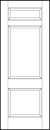
Door Style TS3100
Material Rift Sawn White Oak
Finish Champagne
Sticking Quirk Sticking
Panel Flat Panel
Door Style TS3300
Material MDF
Sticking Square Stick (SS) sticking
Panel Flat (C) panel
Door Style TS4230
Material MDF
Sticking Square Sticking
Panel Flat Panel
Door Style FL500
Material Cherry
Finish Clear Coat Finish
Sticking Square Sticking
Glass / Resin Clear Glass
Door Style FL302
Material MDF
Sticking Square Stick (SS) sticking
Panel Flat (C) panel
Glass / Resin Clear Glass
Door Style PL143
Material Cherry
Finish Hone
Sticking Bevel (BV) sticking
Panel Raised (A) panel
Glass / Resin Seedy Wash glass
Door Style TS2240
Material MDF
Profile Quirk (QM) moulding
Sticking Flat (C) panel
Door Style FL900
Material Plain Sawn White Oak
Finish Clear Coat Finish
Sticking One Step Sticking
Glass / Resin Clear Glass
Door Style PL244
Material Quater Sawn White Oak
Finish Champagne
Sticking Square Stick Sticking
Panel Flat Panel
Glass / Resin Clear Glass
Door Style TS4100
Material MDF
Sticking Square Stick
Glass / Resin Clear Glass
Door Style TS3100
Material Rift Sawn White Oak
Finish Champagne
Sticking Quirk Sticking
Panel Flat Panel